Need help preparing for an ISO audit or improving your QMS? Contact Sterling
Available Monday - Friday
Need help preparing for an ISO audit or improving your QMS? Contact Sterling
A Quality Management System should help the organization operate with clarity, consistency, and accountability. When procedures are weak, objectives are not measurable, process performance is unclear, or management review lacks useful inputs, the system can become difficult to maintain and even harder to improve. Sterling works with clients to strengthen the QMS so it supports real operational control rather than just satisfying a checklist.
Documentation support can include reviewing documented scope, interested parties, process controls, documentation objectives, work instructions, management review inputs and outputs, communication methods, complaint handling, corrective action records, and improvement opportunities. The result is a stronger system that is easier to audit, easier to manage, and more useful to leadership.

Strengthen procedures, work instructions, records, and documented information so expectations are clear and consistently applied.

Improve how objectives are defined, monitored, and communicated so leadership can measure system performance more effectively.

Organize useful inputs such as audit results, customer feedback, nonconformities, resources, and improvement opportunities.

Align the QMS with actions that reduce repeat issues, improve process effectiveness, and support better customer results.
Sterling brings over 30 years of Quality leadership experience in the aerospace, automotive, medical device and consumer products markets. His experience spans across assembly environments, manufacturing, and warehousing areas. He offers practical knowledge of best practices, requirements identified in compliance standards, and customer flow-down specifications. His AS 9100, ISO 13485, IATF 16949, and ISO 9000 QMS certification experience includes many products and services.
Improving the QMS begins with identifying where the system is weak, inconsistent, or not producing the intended results. From there, the focus shifts to improving structure, documentation, metrics, management review, and accountability so the QMS becomes easier to maintain and more valuable to the organization.
Sterling typically supports Documentation through a structured approach that helps organizations move from gap awareness to system improvement:
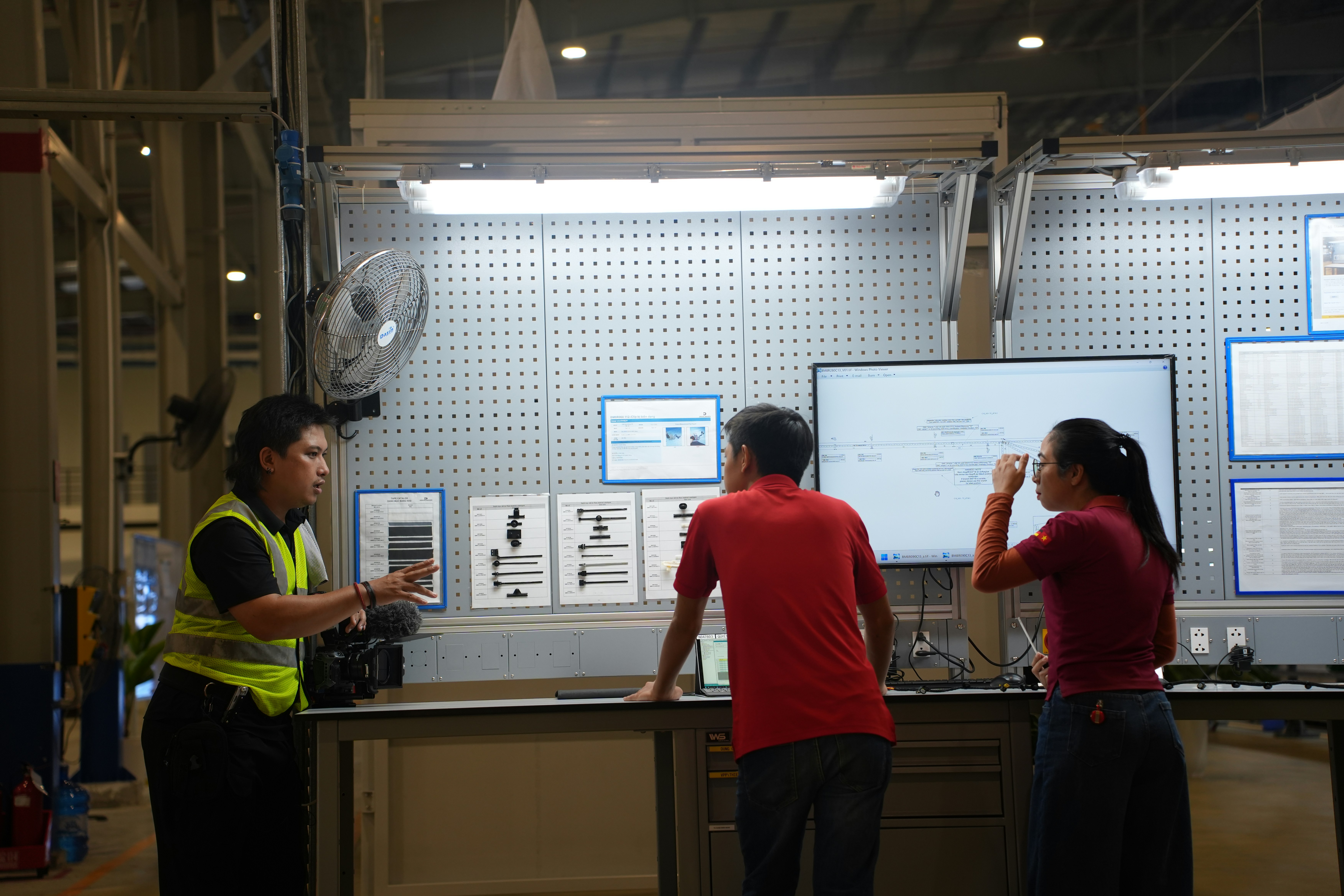
Assess QMS scope, processes, and documented information
Review quality objectives, metrics, and performance data
Evaluate management review structure and inputs
Identify weak controls, missing records, and process gaps
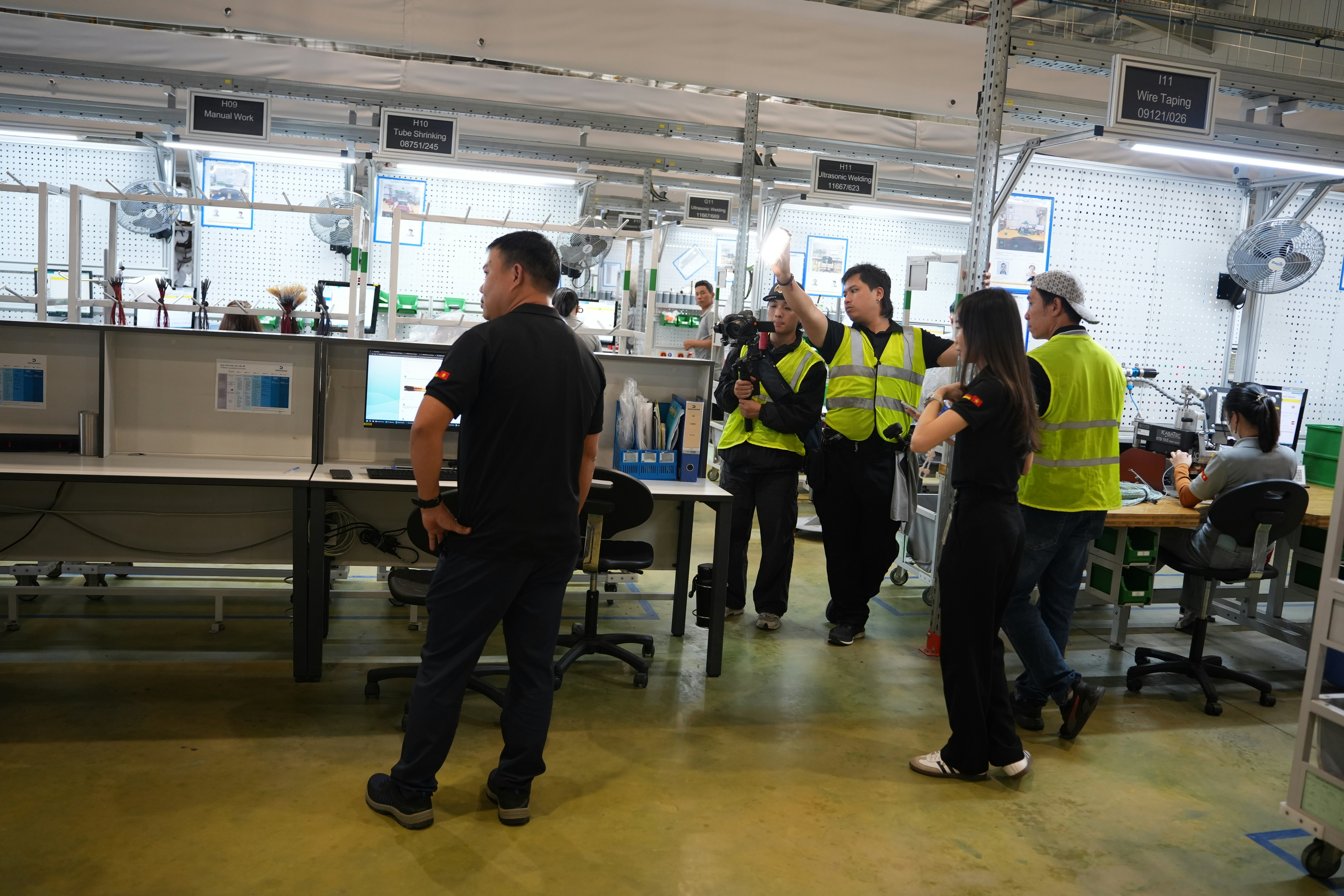
Improve procedures, work instructions, and supporting records
Clarify responsibilities, communications, and review methods
Strengthen corrective action, complaint handling, and follow-up
Support measurable continual improvement across the system
Supported Industries




Sterling Foster Consulting helps manufacturers and regulated organizations improve audit readiness, strengthen Quality Management Systems, and drive continual improvement through practical, results-focused quality consulting.

Sterling Foster Consulting, LLC Copyright . All rights reserved.

Sterling Foster Consulting helps manufacturers and regulated organizations improve audit readiness, strengthen Quality Management Systems, and drive continual improvement through practical, results-focused quality consulting.

